Explainer: How Priory's New Recycling Rules Affect Your Weekly Bin Day
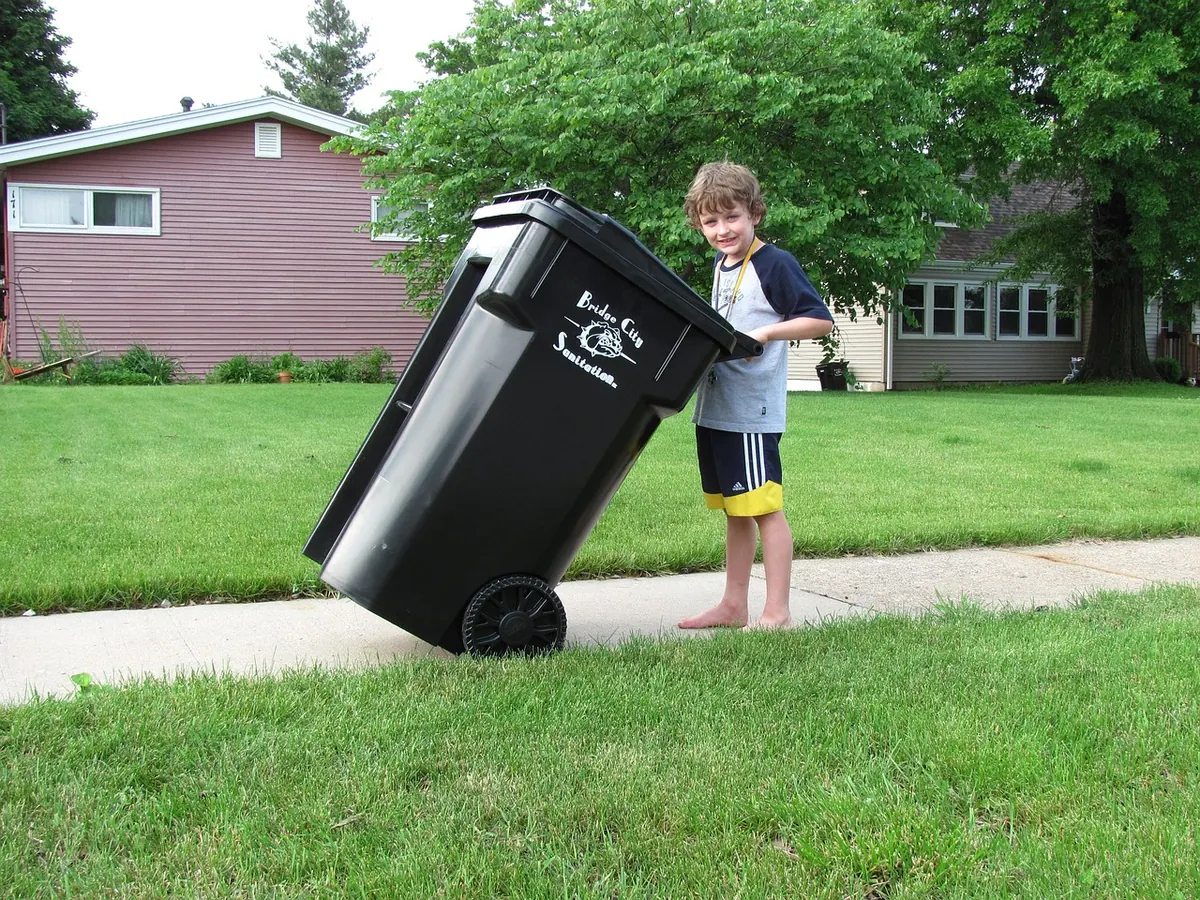
For most households in Priory, bin day has followed the same rhythm for years: wheel it out the night before, hope the lid shuts, bring it back in once the lorry has been. That rhythm needs a small rewrite.
The new recycling rules change what belongs in each container, how it should be sorted at the kerb, and — for some streets — which day the lorry turns up. None of it is difficult, but a fair amount of it is different from what you have been doing for the past decade. Here is what actually changes, and what to sort out before your next collection.
The three changes that matter
Strip away the leaflet and the flowchart and there are three things worth remembering.
- More materials are accepted. The list of recyclable items is longer than it used to be, which is good news, but it also means a few things you have been binning for years now belong in the recycling instead.
- Sorting starts at home. Mixed bags of paper, glass, plastic and metal are the biggest cause of rejected loads. Fibre and containers now need to arrive separately, and it helps if glass is kept apart from everything else.
- Rounds have been redrawn. Some streets keep their day, some shift by a day, and some move to a new pattern for one of the streams. Nobody is expected to memorise this — but somebody in the house needs to check it.
Everything else stays the same: the early start, the noise, the note on the handle when something is wrong.
What can go in, and what still cannot
The accepted list has grown, but the old rule of thumb still holds. If you have to think about it for more than a second, leave it out.
Yes, please
- Paper and card, flattened, kept dry and free of food
- Plastic bottles, pots, tubs and trays, rinsed and drained
- Metal cans, tins, clean foil and empty aerosols
- Food and drink cartons, rinsed and squashed flat
- Glass bottles and jars, rinsed, with metal lids removed
No, thank you
- Anything bagged. A carrier bag of mixed recycling is treated as rubbish
- Greasy pizza boxes and food-stained paper
- Polystyrene, cling film, crisp packets and soft plastics
- Pyrex, drinking glasses, mirrors and window panes
- Batteries, vapes and small electricals — these are a genuine fire risk in the lorry
- Nappies, textiles and garden waste
Rinse what needs rinsing. A quick swill is enough; it does not need to be dishwasher-clean.
Sorting at the kerb: a two-minute routine
The easiest way to get this right is to build it into the same five minutes you already spend on the bins.
- Rinse containers as you wash up rather than saving them for bin day.
- Keep paper and card in a dry spot — a garage bin, a cupboard, a covered box. Once it is soggy it cannot be recycled.
- Squash bottles and cartons to make room, but leave aerosol cans whole.
- Put glass in its own container, and keep lids with the metal.
- Close the lids properly. If the bin will not shut, the extra will be left behind.
- Set everything out the night before, handles facing the road, so nothing is missed on an early round.
If in doubt, leave it out. One wrong item can spoil a whole load, and it will be spotted.
Your collection day may have moved
This is the part that catches people out, because a missed bin means a fortnight of extra rubbish in the kitchen. Check the calendar you were sent, the sticker on the lid if you have one, or the collection lookup on the council's website. If none of those are to hand, ask a neighbour — on most streets one person has already worked it out.
Two practical notes. First, put the bin out the night before, because rounds now start earlier on some routes. Second, bank holidays still push collections back by a day or two, so a week with a public holiday is not the week to be relaxed about it. If someone in the house has mobility problems or cannot move the bin themselves, assisted collections are still available — that has not changed, and it is worth asking if you have not before.
If your bin is refused
A refused bin is not a punishment, it is a message. The crew will normally leave a sticker or tag explaining why: contaminated recycling, wrong bin, side waste, or a lid that would not close. Take the offending items out, rinse what needs rinsing, and put the bin back out on the next scheduled collection.
Do not be tempted to hide the problem by tipping the whole lot into the general waste. That fills the rubbish bin faster and defeats the point. If you genuinely cannot work out what caused the refusal, photograph the contents and ask the council's waste team — a two-line question usually gets a straight answer.
Flats, shared bins and awkward items
Households on communal bins are not left out of this. The same sorting rules apply, and the same contamination problems show up — usually because one bin is used as an overflow. If your block's bins are routinely full, that is worth reporting rather than working around.
For the awkward things, the answer is usually a different route:
- Batteries and small electricals: take them to a supermarket collection point or the household waste site. Never put them in any kerbside bin.
- Textiles: charity banks or a dedicated collection, not the recycling bin.
- Garden waste: the paid collection service, home composting, or a trip to the tip.
- Bulky items: book a collection in advance rather than leaving them beside the bin.
Your simple plan for the first week
Do these five things and the new system stops being a change and becomes a habit.
- Find your collection day and write it somewhere visible — fridge, phone, or the back of the door.
- Set up one extra container for glass, even if it is just a sturdy box.
- Move paper and card somewhere dry.
- Put the batteries, vapes and old cables in a bag and drop them off this week.
- Tell whoever else empties the kitchen bin what has changed. Most contamination starts with one person who has not heard.
It will feel fiddly for two or three collections. After that, it is just bin day again.
Photo: smtwastebrokers / Pixabay

You Might Also Like
A practical walkthrough of Priory town hall meetings: how the evening unfolds, how to sign up for public comment, what to say at the microphone, and how to follow up.
Priory's buses stop running before most late shifts end. Extending service would make the walk home safer, keep workers employed and give downtown a real night.